
industry · 2 min read
How Faridabad Built Its Position as an Engineering & Manufacturing Hub
The city's industrial base grew around engineering, metalworking and component manufacturing — an ecosystem that continues to define how business is done here.
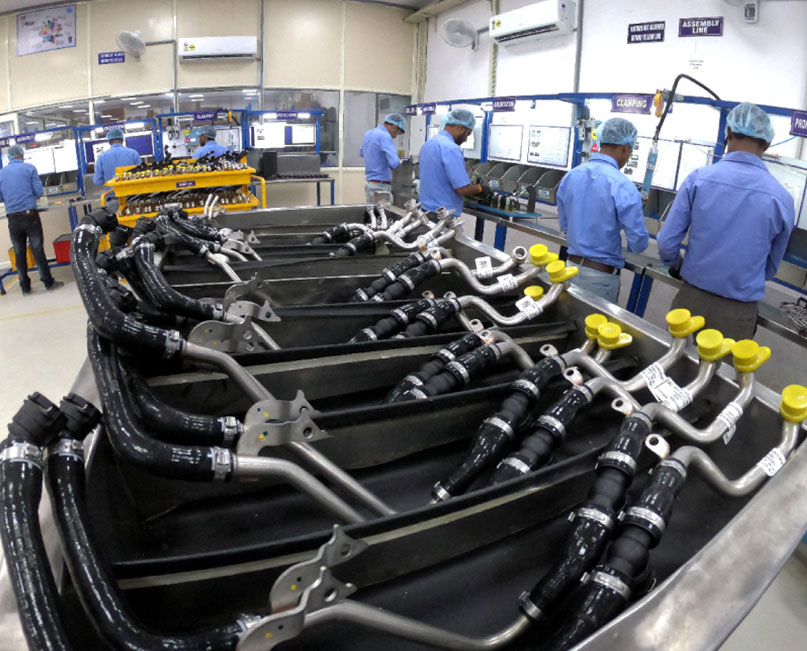
Faridabad's economy is best understood through its factory floors. Long before the city became part of the wider National Capital Region's growth story, its identity was formed by engineering workshops, metal fabrication units and component suppliers operating out of planned industrial sectors.
That base has proved durable. Where several NCR districts pivoted heavily towards services and real estate, Faridabad retained a working manufacturing core — one built on tooling, fabrication, machining and assembly work that feeds larger buyers both inside and outside Haryana.
An economy organised around clusters
Industrial activity in Faridabad is concentrated rather than scattered. Sector-based industrial areas group units by scale and function, which allows suppliers, job-work shops and finishing units to operate within short distances of one another. For a component manufacturer, proximity is not a convenience — it is a cost structure.
- Engineering and machining units supplying industrial and automotive buyers
- Metal fabrication, pressing and sheet-metal work
- Electrical and electronics assembly
- Plastics, polymers and packaging support industries
- Logistics and warehousing serving the industrial belt
Why the MSME layer matters
The visible names in any industrial city are the large plants. The operating reality is the layer beneath them: micro, small and medium enterprises that handle specialised processes, short-run production and supply continuity. In Faridabad, this layer is not peripheral to manufacturing — it is manufacturing.
An industrial city is only as strong as the small units that keep its supply chains moving.
Infrastructure as an industrial input
Connectivity has consistently shaped where industrial investment lands in the district. Expressway access, metro connectivity and improved arterial roads change the economics of moving goods and people, and southern Faridabad in particular has seen industrial and commercial interest follow infrastructure work.
The next phase of the city's industrial story will be decided by the same variables that built it: reliable power and logistics, availability of serviced industrial land, access to skilled technical labour, and the ability of small manufacturers to modernise their processes.